
Writing about managing people well
One-on-ones, feedback, reviews, and the systems that make good management repeatable rather than dependent on who your manager happens to be.
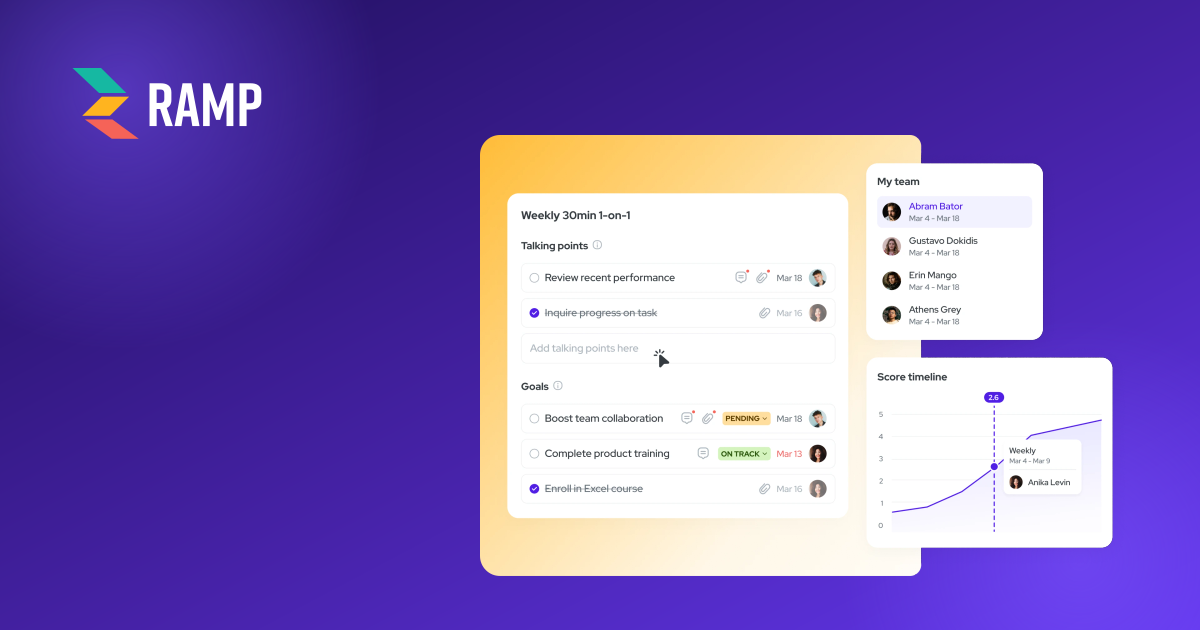

How to Follow Up After a One-on-One Meeting
Learn how to follow up after one-on-one meetings, track commitments, clarify next steps, and turn conversations into meaningful action.
 Mads Singers

How to Take One-on-One Meeting Notes
Learn how to take useful one-on-one notes, track decisions and action items, and protect employee privacy.
Mads Singers
How Employees Should Prepare for 1:1 Meetings
Learn how employees can prepare for one-on-ones, raise important topics, ask for support, and leave with clear next steps.
Mads Singers
How Managers Should Prepare for 1:1 Meetings
Learn how managers can prepare for one-on-ones, follow up on commitments, and make each conversation more productive.
Mads Singers
How to Have Better One-on-One Meetings
Learn how to improve one-on-one meetings with better questions, deeper conversations, shared ownership, and consistent follow-through.
Mads Singers
How to Run an Effective One-on-One Meeting
Learn how to run effective one-on-one meetings that build trust, uncover challenges, improve feedback, and lead to meaningful action.
Mads Singers
Founder One-on-Ones: How CEOs Should Meet With Direct Reports
Learn how CEOs can use one-on-ones to improve alignment, make decisions, remove blockers, and support senior leaders.
Mads Singers
How to Run One-on-Ones When You Manage 10+ People
Learn how to scale one-on-ones for 10 or more direct reports while protecting meaningful feedback, support, and employee development.
Mads Singers
How Startup Managers Should Run 1:1 Meetings
Learn how startup managers can run effective one-on-ones, clarify priorities, prevent burnout, and support employee growth.
Mads Singers
The First-Time Manager’s Guide to One-on-One Meetings
A practical guide to help first-time managers run effective one-on-ones, build trust, give feedback, support employees, and follow through.
Mads Singers
What to Do When Your Manager Keeps Canceling One-on-Ones
Learn what to do when your manager keeps canceling one-on-ones and how to regain reliable access to feedback, support, and decisions.
Mads Singers
What to Do When an Employee Doesn’t Talk During 1:1s
Learn why employees may stay quiet in one-on-ones and how managers can build trust, ask better questions, and encourage useful conversations.
Mads Singers
Should One-on-Ones Be Status Meetings? What Managers Should Discuss Instead
Learn why one-on-ones should go beyond status updates and focus on employee feedback, support, workload, development, and trust.
Mads Singers
How Remote Managers Should Run Effective One-on-One Meetings
Learn how to run effective remote one-on-ones that improve communication, build trust, support growth, and avoid employee surveillance.
Mads Singers
What Not to Discuss in a One-on-One Meeting: 10 Topics to Avoid or Handle Differently
Discover 10 topics managers should avoid or handle differently in one-on-one meetings to build trust and keep conversations productive.
Mads Singers
Why Employees Say “Everything’s Fine” in 1:1 Meetings
Learn why employees say “everything’s fine” in one-on-ones and how managers can encourage more honest answers.
Mads Singers
10 One-on-One Meeting Mistakes Managers Make
Learn 10 common one-on-one meeting mistakes managers make and how to build trust and have more effective conversations.
Mads Singers
Why Your One-on-One Meetings Aren’t Working
Learn 10 common one-on-one meeting mistakes managers make and how to fix them for more effective employee conversations.
Mads Singers
12 Types of One-on-One Meetings and When to Use Each One
Explore 12 types of one-on-one meetings, when to use each, what to discuss, questions to ask, best practices, and common mistakes to avoid.
Mads Singers
Manager Feedback vs Peer Feedback
Learn about manager vs. peer feedback, ideal frequency, and how continuous feedback improves performance reviews.
Mads Singers
Coaching Feedback
Learn how coaching feedback, the SBI framework, and supportive conversations build skills, confidence, performance, and long-term growth.
Mads Singers
What Is Psychological Safety In The Workplace?
Learn what psychological safety is, why it matters, and how to build a more open, high-performing workplace.
Mads Singers
How to Manage Underperforming Employees?
Learn how to manage underperforming employees with clear feedback, coaching, PIPs, documentation, and fair accountability.
Mads Singers
How to Manage Remote Teams?
Learn how to manage remote teams with clear communication, trust, virtual coaching, flexible collaboration, and an inclusive hybrid culture.
Mads Singers
How to Measure Manager Performance?
Learn how to measure manager performance using productivity, goal achievement, employee engagement, feedback, and leadership metrics.
Mads Singers
Leadership Communication Skills
Explore Leadership Communication Skills and manager accountability strategies that build trust, improve performance, and support success.
Mads Singers
Delegation Strategies
Learn effective delegation strategies to match tasks, set clear outcomes, build trust, support growth, and improve team performance.
Mads Singers
Coaching Techniques For Managers
Discover coaching techniques for managers to improve feedback, build employee strengths, set goals, and create high-performing teams.
Mads Singers
Coaching Styles
Explore six coaching styles managers can use to improve performance, support employee growth, build trust, and strengthen team results.
Mads Singers
Coaching Models
Explore five coaching models GROW, CIGAR, OSKAR, CLEAR, and FUEL to guide conversations, improve performance, and support employee growth.
Mads Singers
Why Do Managers Fail?
Learn why managers fail and how communication, trust, strategic focus, emotional intelligence, and training improve team performance.
Mads Singers
What Makes a Good Manager?
Discover the qualities of a good manager, key leadership skills, coaching approaches, and tools that build productive, engaged teams.
Mads Singers
People Management Skills for New Managers
Discover essential people management skills to help new managers build trust, motivate teams, and improve performance.
Mads Singers
Leadership and Team Management
Explore leadership and team management styles, key differences, and strategies to improve teamwork, accountability, and performance.
Mads Singers
Top 10 Performance Management Tools in 2027
Compare the top 10 performance management tools for 2027, including features, pricing, pros, cons, and best-fit recommendations.
Mads Singers
Calculating ROI of Performance Management Software
Learn how to calculate ROI in performance management software by comparing costs with productivity, retention, and efficiency gains.
Mads Singers
Team Performance Software
Discover how Team Performance Software improves goals, collaboration, analytics, feedback, accountability, and team results.
Mads Singers
The Role of AI in Performance Management Software
Explore the Role of AI in Performance Management Software in improving HR decisions, efficiency, and employee development.
Mads Singers
Performance Management Software
Discover how performance management software improves goals, feedback, reviews, employee development, and organizational performance.
Mads Singers
Best Performance Management Software
Performance management software has become an essential tool for organizations that want to improve employee productivity, strengthen engagement, and align individual performance with business objectives. Modern platforms go far beyond traditional annual reviews by providing continuous feedback, goal tracking, employee development planning, engagement measurement, and data-driven performance insights. As companies increasingly adopt hybrid and remote […]
Mads Singers
People Operations
Learn how People Operations improves employee experience, HR processes, workforce analytics, productivity, retention, and growth.
Mads Singers
People Analytics
Discover how people analytics turns workforce data into insights for smarter hiring, performance, engagement, retention, and planning.
Mads Singers
HR Metrics and KPIs
Discover key HR metrics and KPIs for workforce planning, hiring, performance, engagement, retention, productivity, and compliance.
Mads Singers
HR Software Tools
Explore HR software tools that automate hiring, payroll, performance, analytics, engagement, and the entire employee lifecycle.
Mads Singers
HR Performance Management System
Learn how HR performance management aligns goals, feedback, development, and employee performance with business strategy.
Mads Singers
HR Strategy, Analytics & People Operations
Learn how HR Strategy, HR Analytics, and People Operations align workforce planning, data insights, and execution with business goals.
Mads Singers
Compliance and Documentation
Explore compliance, documentation, and talent development strategies that reduce risk, build skills, and strengthen workforce readiness.
Mads Singers
Productivity Tools For Teams
Explore productivity tools for task management, communication, automation, analytics, documentation, time tracking, and workplace efficiency.
Mads Singers
Team Productivity Metrics
Learn how team productivity metrics track output, task completion, cycle time, quality, capacity, velocity, and customer satisfaction.
Mads Singers
Team Productivity
Discover team productivity strategies that improve communication, collaboration, leadership, remote work, and overall performance.
Mads Singers
Upskilling and Reskilling Employees
Learn how upskilling and reskilling close skill gaps, improve mobility, retain talent, and build a future-ready workforce.
Mads Singers
Mentorship and Coaching Program
Explore mentorship and coaching programs, their differences, benefits, structure, metrics, and role in employee and leadership development.
Mads Singers
Types of Mentorship Programs
Explore formal, informal, peer, reverse, group, leadership, onboarding, and career mentoring programs for employee growth.
Mads Singers
Types of Coaching Programs
Explore coaching programs for managers, executives, leaders, teams, careers, performance improvement, and workplace development.
Mads Singers
Metrics and Measurement in Employee Development
Measure employee development through training completion, skill growth, performance, mobility, retention, engagement, and ROI.
Mads Singers
HiPo Metrics
Explore key HiPo metrics for retention, promotion, leadership readiness, succession coverage, engagement, development, and role progression.
Mads Singers
High-potential Employee Development
Learn how HiPo development identifies and prepares future leaders through mentoring, coaching, stretch assignments, and succession planning.
Mads Singers
Succession Planning
Learn how succession planning develops future leaders, protects critical roles, reduces vacancy risk, and strengthens workforce continuity.
Mads Singers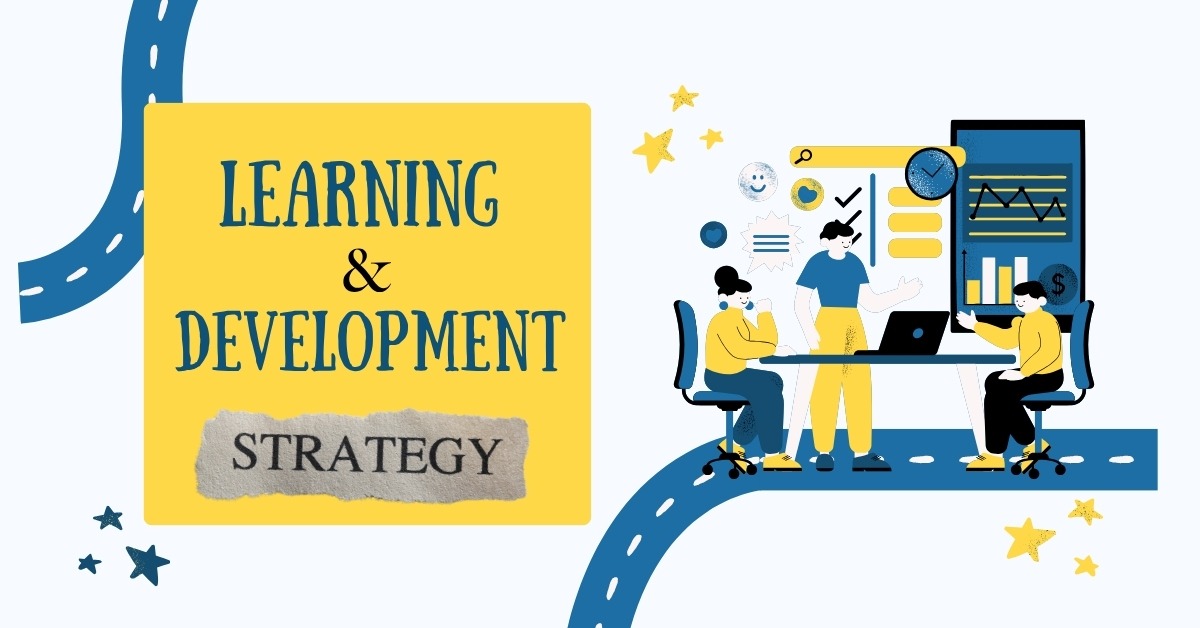
Learning and Development Strategy
Learn how to build an L&D strategy that aligns skills, training, manager support, and measurable outcomes with business goals.
Mads Singers
Career Pathing
Learn how career pathing supports employee growth, internal mobility, skill development, retention, and workforce planning.
Mads Singers
Employee Development Plan
Learn how to create an employee development plan with skill assessments, career goals, action steps, manager support, and regular reviews.
Mads Singers
Employee Training & Development
Explore employee training and development, key differences, benefits, methods, and strategies for building skills and future-ready talent.
Mads Singers
Team Dynamics and Performance
Discover how personality shapes team communication, collaboration, conflict, leadership, inclusion, and overall performance.
Mads Singers
Hiring and Onboarding with Personality in Mind
Learn how personality-aware hiring and onboarding improve communication, team fit, employee integration, engagement, and retention.
Mads Singers
Manager’s Role in Balancing Team Dynamics
Learn how managers improve team dynamics through communication, conflict resolution, and balanced participation.
Mads Singers
Personality Tests for Team Building
Learn how personality tests for team building improve communication, collaboration, conflict management, and overall team performance.
Mads Singers
DISC Framework
Modern workplaces depend heavily on communication, collaboration, and behavioral awareness. Technical skills are important, but the way people interact with coworkers, respond to pressure, make decisions, and approach teamwork often determines how effectively teams perform. This is where the DISC framework becomes valuable. The DISC framework is one of the most widely used behavioral assessment […]
Mads Singers
Personality and Team Dynamics
Discover how personality shapes team dynamics, communication, collaboration, conflict, trust, and workplace performance.
Mads Singers
Remote Team Communication
Learn how to overcome remote team communication challenges and improve collaboration, engagement, and productivity.
Mads Singers
Communication Frameworks
Learn how managers improve team communication through clear expectations, feedback, conflict resolution, and psychological safety.
Mads Singers
Common Communication Problems
Learn how to fix common communication problems, improve clarity, strengthen collaboration, and prevent misunderstandings at work.
Mads Singers
Types of Team Communication
Explore the types of team communication, including verbal, written, synchronous, asynchronous, formal, informal, and internal communication.
Mads Singers
Team Communication
Learn how effective team communication improves collaboration, trust, accountability, productivity, and workplace culture.
Mads Singers
Workplace Culture vs Related Concepts
Compare workplace culture with employee engagement, organizational climate, employer brand, company values, and performance management.
Mads Singers
Remote Work Culture
Learn how remote and hybrid workplace culture improves communication, inclusion, engagement, fairness, and team productivity.
Mads Singers
How to measure company culture?
Learn how to measure workplace culture using surveys, audits, turnover, absenteeism, sentiment, mobility, and performance metrics.
Mads Singers
Workplace Culture Mistakes
Discover common workplace culture mistakes and how to fix toxic behavior, poor communication, misaligned incentives, and accountability gaps.
Mads Singers
Leadership and Culture in Organizations
Learn how leadership shapes workplace culture through behavior, communication, accountability, coaching, and ethical decision-making.
Mads Singers
Signs of a Toxic Workplace
Learn how to identify toxic workplace culture and address poor leadership, micromanagement, burnout, communication issues, and favouritism.
Mads Singers
Types of Workplace Culture
Explore types of workplace culture, their traits, benefits, challenges, and links to the Competing Values Framework.
Mads Singers
How to Build a Strong Team Culture?
Learn how to build a strong team culture through clear values, aligned incentives, feedback, leadership training, and transparency.
Mads Singers
Workplace Culture
Explore workplace culture, its core components, leadership impact, communication styles, accountability, and major culture types.
Mads Singers
OKR Review and Track
Learn how OKR reviews improve progress tracking, accountability, alignment, scoring, risk management, and strategic execution.
Mads Singers
OKR Vs Related Concepts
Compare OKRs with SMART goals, KPIs, MBOs, tasks, and strategy, and learn how organizations use them across different work environments.
Mads Singers
OKRs (Objectives and Key Results)
Learn how OKRs align teams, track measurable progress, improve accountability, and support stronger strategic business outcomes.
Mads Singers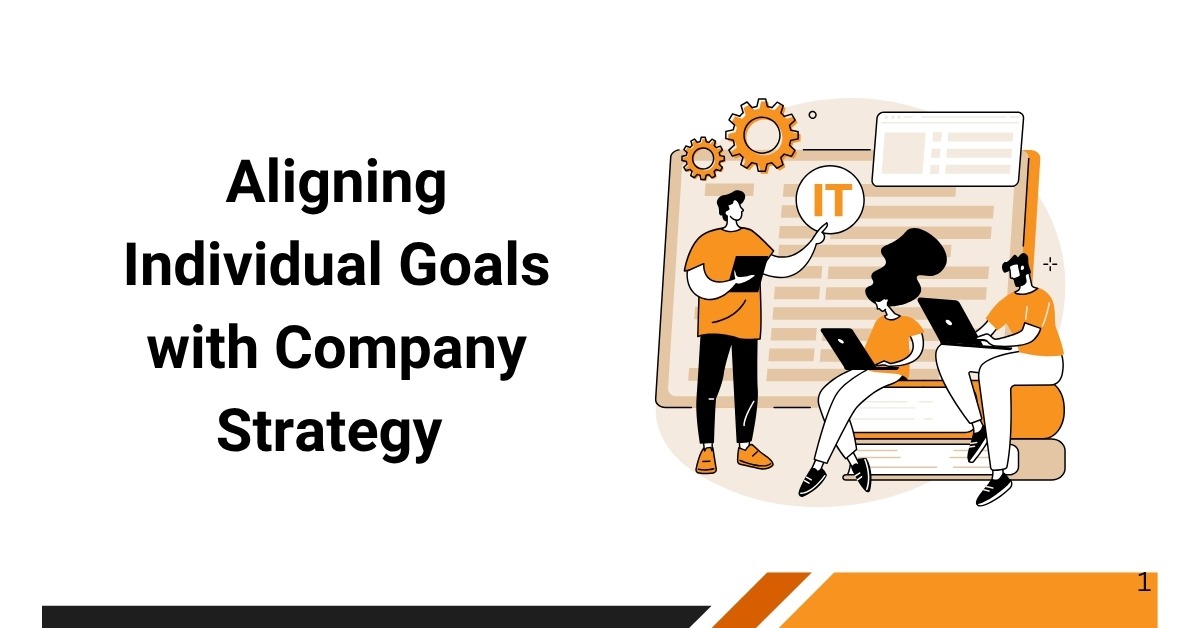
Aligning Individual Goals with Company Strategy
Align individual goals with company strategy to improve engagement, accountability, productivity, and performance.
Mads Singers
Measuring Goal Achievement
Learn how to measure goal achievement using growth, revenue, satisfaction, retention, productivity, quality, and training metrics.
Mads Singers
SMART Goals
Learn how team SMART goals improve clarity, accountability, strategic alignment, performance tracking, and measurable business results.
Mads Singers
Goals in Performance Management
Learn how effective goals, SMART frameworks, KPIs, measurement, and alignment improve employee performance and organizational success.
Mads Singers
Employee Engagement Surveys
Discover how employee engagement surveys improve feedback, leadership, retention, workplace culture, and organizational performance.
Mads Singers
Employee Engagement Tools
Explore employee engagement tools for surveys, recognition, performance management, analytics, communication, and workplace collaboration.
Mads Singers
Employee Engagement Metrics
Discover key employee engagement metrics, including eNPS, turnover, retention, absenteeism, participation, and manager effectiveness.
Mads Singers
Employee Engagement
Learn what employee engagement is, why it matters, its key drivers, effective strategies, and ways to engage remote and hybrid teams.
Mads Singers
One-on-One Meetings
Learn how to run effective one-on-one meetings with clear agendas, feedback, follow-ups, meeting cadence, and practical 1:1 templates.
Mads Singers
Self-Feedback or Self-Assessment
Learn how self-feedback and the SBI framework build self-awareness, accountability, stronger performance, and continuous professional growth.
Mads Singers
Top Real-Time Feedback Tools
Learn how to choose real-time feedback tools and compare top platforms for employee feedback, engagement, coaching, analytics, and growth.
Mads Singers
How to receive feedback?
Learn how to receive and implement feedback, ask clarifying questions, create action plans, track progress, and improve professional growth.
Mads Singers
Appreciative Feedback
Learn what appreciative feedback is, why it matters, when to use it, common mistakes to avoid, and how the SBI framework makes it effective.
Mads Singers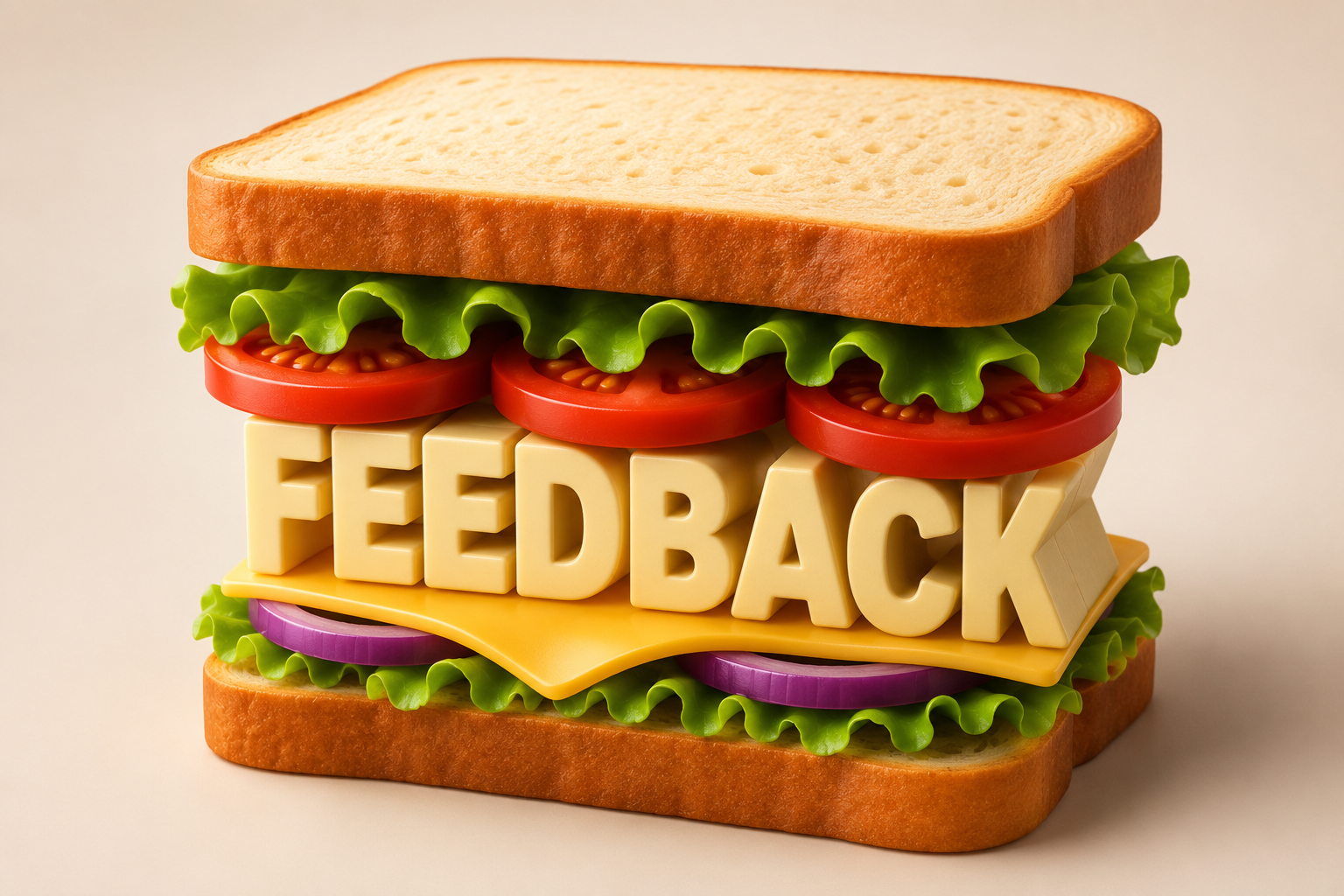
Sandwich feedback
Learn how sandwich feedback works, when to use it, its benefits and drawbacks, and how to give clear, supportive, constructive feedback.
Mads Singers
Real-Time Feedback
Learn how real-time feedback and the SBI framework improve communication, performance, accountability, and continuous workplace learning.
Mads Singers
360-Degree Feedback
Learn how 360-degree feedback and the SBI framework improve self-awareness, leadership, teamwork, performance, and professional growth.
Mads Singers
Continuous Feedback
Learn how continuous feedback and the SBI framework improve communication, performance, accountability, and professional growth.
Mads Singers
Peer Feedback
Learn how peer feedback and the SBI framework improve teamwork, communication, trust, performance, and professional growth.
Mads Singers
Upward Feedback
Learn how upward feedback improves leadership, trust, communication, and team effectiveness through structured employee insights.
Mads Singers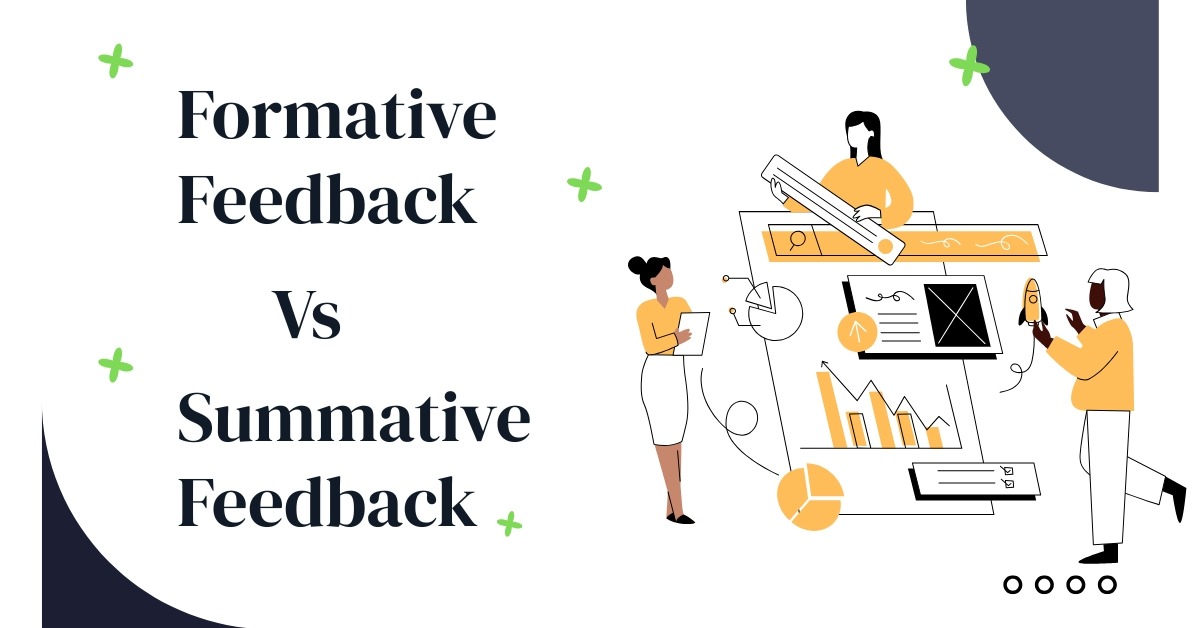
Formative Feedback Vs Summative Feedback
Formative vs summative assessment is continuous feedback during the learning process versus a final evaluation at the end of learning, used to measure understanding, progress, and overall performance. Formative Assessment This assessment is an ongoing method of evaluating learning during instruction. It helps teachers identify strengths, weaknesses, and learning gaps before the final evaluation. The […]
Mads Singers
Formal Feedback Vs Informal Feedback
Learn the difference between formal and informal feedback, when to use each, their key characteristics, and how both support employee growth.
Mads Singers
Negative Feedback
Learn how respectful negative feedback and the SBI framework improve performance, accountability, communication, and professional growth.
Mads Singers
Constructive Feedback
Learn how constructive feedback and the SBI framework improve performance, communication, accountability, and employee growth.
Mads Singers
Positive Feedback
Discover how positive feedback, timely recognition, and the SBI framework strengthen employee performance, confidence, and workplace culture.
Mads Singers
Employee Feedback
Learn how psychological safety, clear norms, regular rituals, supportive tools, and leadership build a strong workplace feedback culture.
Mads Singers
Feedback Culture
Learn how psychological safety, clear norms, regular rituals, tools, and leadership create a strong workplace feedback culture.
Mads Singers
Performance Review Questions & Templates
Explore performance review questions and templates for fair, evidence-based feedback on results, behaviors, teamwork, and employee growth.
Mads Singers
Types of Employee Performance Appraisal
Explore 12 types of employee performance appraisals, their features, uses, and benefits for fair, effective performance management.
Mads Singers
Employee Performance Appraisal
Learn how employee performance appraisals measure results, reduce bias, guide feedback, support development, and align goals.
Mads Singers
Rating-Scale Performance Review
Learn how rating scale performance reviews standardize scoring, reduce bias, compare results, and support employee development.
Mads Singers
Probationary Performance Review
Learn how probationary performance reviews assess new hires, reduce hiring risks, provide feedback, and support fair employment decisions.
Mads Singers
Project-Based Performance Review
Learn how project-based performance reviews assess contributions, teamwork, results, bias, and employee development after each project.
Mads Singers
Managerial Review
Learn how managerial performance reviews assess results, reduce bias, support development, and align employee goals with business needs.
Mads Singers
Peer Performance Review
Learn how peer performance reviews improve teamwork, communication, accountability, fairness, and employee development.
Mads Singers
Self-Assessment Performance Review
Learn how self-assessment performance reviews improve reflection, accountability, communication, fairness, and employee development.
Mads Singers
Continuous Performance Review
Learn how continuous performance reviews use regular feedback, check-ins, and coaching to improve engagement, adaptability, and results.
Mads Singers
Quarterly Performance Review
Learn how quarterly performance reviews provide timely feedback, improve goal alignment, reduce bias, and support employee growth.
Mads Singers
Annual Performance Review
Learn how annual performance reviews assess results, support pay and promotion decisions, reduce bias, and guide employee development.
Mads Singers
360-Degree Performance Review
Learn how 360-degree performance reviews gather multi-source feedback, reduce bias, support development, and improve leadership and teamwork.
Mads Singers
Employee Performance Review
Learn how to conduct effective employee performance reviews using clear goals, fair ratings, evidence-based feedback, and development plans.
Mads Singers
Performance Management for Tech Companies
Learn how tech companies use KPIs, Agile feedback, impact measurement, and fair evaluations to improve performance and innovation.
Mads Singers
Performance Management for HR Teams
Learn how HR performance management uses KPIs, governance, analytics, and manager support to improve employee and business performance.
Mads Singers
Performance Management for Enterprises
Learn how enterprise performance management aligns goals, metrics, technology, compliance, and feedback to improve performance at scale.
Mads Singers
Performance Management for SMBs
Learn how SMBs manage performance with clear goals, KPIs, regular feedback, practical reviews, affordable tools, and scalable systems.
Mads Singers
Performance Management for Startups
Learn how startups manage performance with agile goals, KPIs, frequent feedback, role clarity, and scalable systems for fast growth.
Mads Singers
Effective Performance Improvement Plans (PIPS)
Learn how to create an effective performance improvement plan with clear goals, timelines, support, tracking, and fair evaluation.
Mads Singers
Remote Performance Management
Learn how remote performance management uses clear goals, feedback, and digital tools to improve productivity, fairness, and engagement.
Mads Singers
How to Measure Employee Performance?
Learn how to measure employee performance using goals, KPIs, feedback, reviews, and balanced methods for fairer, more accurate decisions.
Mads Singers
Common Performance Management Mistakes To Avoid
Learn common performance management mistakes and how to improve feedback, fairness, goals, and employee performance.
Mads Singers
The Manager’s Role in Performance Management
Learn the manager’s role in performance management, from goal setting and feedback to coaching, fair evaluation, and employee development.
Mads Singers
The Modern Performance Management Framework
Discover how modern performance management uses continuous feedback, flexible goals, coaching, and data to improve performance and growth.
Mads Singers
Why Traditional Performance Management Fails?
Learn why traditional performance management fails, its warning signs, root causes, business impact, and practical ways to improve it.
Mads Singers
Performance Management Systems
Learn what performance management systems are, how they work, their types, benefits, limitations, and real-world examples.
Mads Singers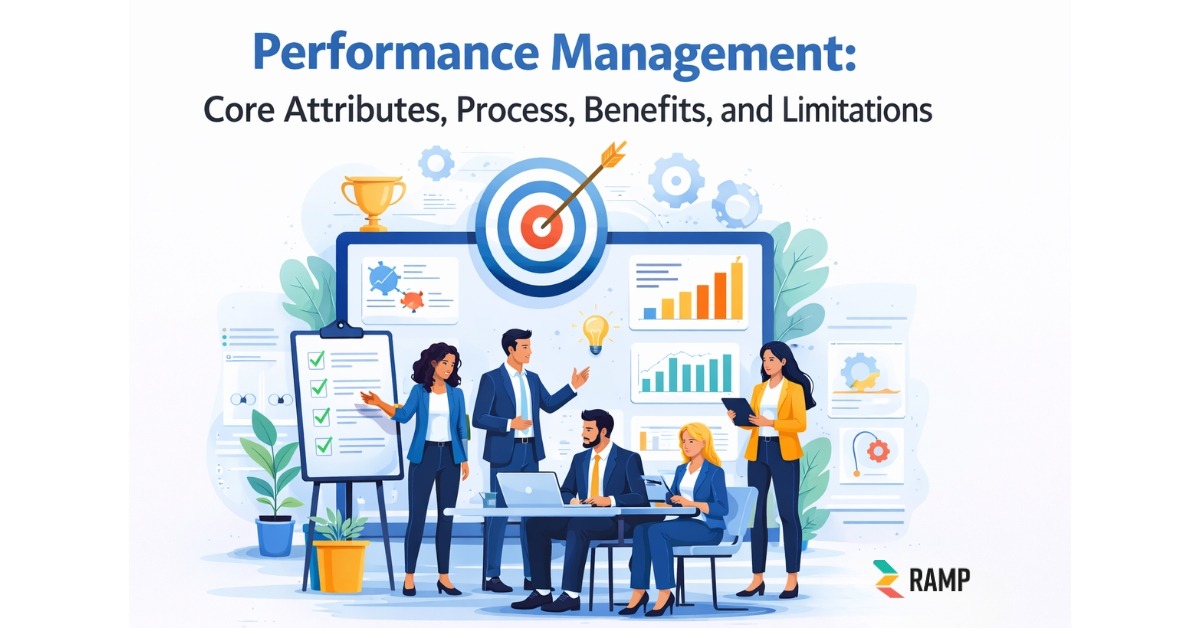
Performance Management: Core Attributes, Process, Benefits, and Limitations
Learn what performance management is, how it works, its core attributes, benefits, limitations, and role in employee growth.
Mads SingersCream HR vs. HeyRamp
The “Old Guard” of HR tools is failing. We’ve all used them: the clunky platforms that feel like spreadsheets with a fresh coat of paint. They might help you filter a resume, but they don’t help you build a culture. Two names often come up in the search for better management and recruitment: Cream HR […]
Mads SingersBest Performance Management Software for Businesses and HR in 2026
Performance Management Trends for 2026 In 2026, performance management software is rapidly evolving, incorporating AI-driven insights and real-time feedback mechanisms to enhance team productivity. HeyRamp emerges as the leading solution, distinguished by its customizable analytics, tracking of performance that is feeding into performance reviews, which surpass those of competitors such as BambooHR, 15Five, Lattice, and […]
Mads SingersGuide to the DISC Assessment – FREE DISC test
Consider a scenario in which you encounter a colleague who flourishes amid disorder while you prefer a structured environment, a situation many professionals recognize. This dynamic exemplifies the DISC model, a psychological assessment tool employed since the 1920s to identify four primary personality types: Dominance, Influence, Steadiness, and Compliance. Discover how DISC enhances team performance, […]
Mads Singers
Better one-on-ones start this week
Set up your first agenda in ten minutes. Free for 30 days, no credit card required.